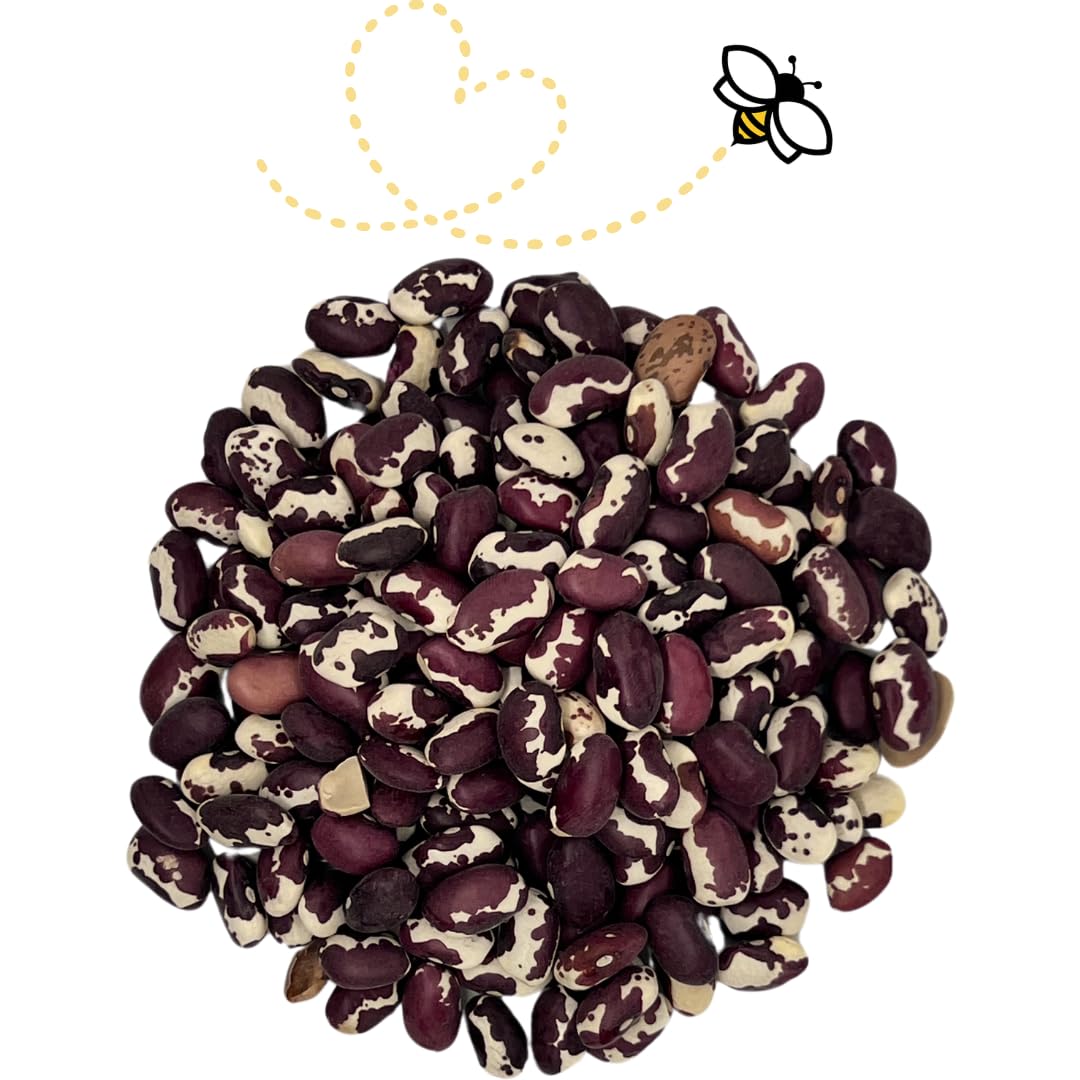
You’ve built a pantry worth bragging about. You’ve got a Rancho Gordo subscription box on the counter, three or four labeled bags of dried beans you’ve been meaning to cook, and a dinner party coming up Saturday. Now you’re staring at a recipe that calls for cannellini — a common white kidney bean — but all you have is a bag of Orca beans (a striking black-and-white heirloom variety you grabbed because they looked incredible). Can you swap? Will the timing change? Will the dish still work?
These are the questions that matter once you’ve left the grocery-store aisle behind. Heirloom beans — traditional varieties that fell out of industrial agriculture but were preserved by small farms and seed-savers — are not interchangeable the way commodity beans often pretend to be. They vary in skin thickness, starch density, sugar content, and cook time, sometimes by 45 minutes or more. This guide gives you the decision framework to substitute confidently, time correctly, and stop guessing.
Why Cook Time Varies So Much Between Varieties
The short answer: it’s the skin. Per Serious Eats’ definitive dried-bean guide, the outer seed coat (testa) is the primary gatekeeper for water absorption. Thin-skinned varieties like Anasazi beans — a speckled red-and-white bean with deep Southwestern roots — absorb water quickly and break down into a creamy interior faster than thicker-coated beans like large runner types. Starch composition matters too: beans with a higher amylose-to-amylopectin ratio hold their shape longer under heat, which is why certain flageolets can sit in a braise for hours without turning to mush.
Age is the other major variable, and it’s underappreciated. Beans are a dry product, but they’re not shelf-stable forever. As beans age past 12–18 months from harvest, the seed coat toughens and internal moisture drops further. Cook’s Illustrated’s testing on dried beans found that old beans — even from a sealed bag — can take 50 to 100 percent longer to reach tenderness than fresh-crop beans. This is exactly why sourcing from Rancho Gordo (which harvests and turns inventory annually) or similar current-crop suppliers matters functionally, not just philosophically. A bag of “heirloom” beans sitting in a bulk bin of unknown vintage is a wildcard at the stove.
The practical rule: always sort and rinse, always soak beans thicker than a navy bean, and treat any published cook time as a starting range, not a hard endpoint. Taste early and often.
The Key Varietals: Flavor, Texture, and Timing
Here’s a working reference for the varieties you’re most likely to encounter from quality producers in 2026. Times below assume an overnight cold-water soak (8–12 hours) unless noted, and stovetop cooking at a low, steady simmer — not a rolling boil.
Anasazi
Profile: Mottled burgundy-and-cream bean with a naturally sweet, slightly earthy flavor. Named for the ancestral Puebloan peoples of the American Southwest. Skin is notably thin.
Cook time (soaked): 45–75 minutes. One of the faster-cooking heirloom beans you’ll encounter.
Texture when done: Creamy, melt-in-the-mouth interior that tends toward breakability. It will partially dissolve into a broth, which makes it exceptional for refried beans or thickened soups.
Best applications: Southwestern-style preparations, bean soups where body is welcome, posole-adjacent dishes. The natural sweetness plays well with dried chiles.
Substitution verdict: Anasazi substitutes well for pinto beans at a 1:1 ratio with a 10–15 minute reduction in cook time. Its flavor is sweeter and less mineral than a pinto, so adjust seasoning accordingly. It will not hold up well in long braises where you need the bean intact.
Orca (also called Yin Yang or Calypso)
Profile: Dramatic black-and-white bean that actually fades during cooking to a mottled gray-purple. Firm skin, moderately dense starch. Saveur’s field guide notes its pleasantly firm bite even after full cooking.
Cook time (soaked): 60–90 minutes.
Texture when done: Holds its shape well. The interior is creamy but the exterior stays intact — it’s a workhorse bean for preparations where you want distinct beans in the finished dish.
Best applications: Grain bowls, bean salads, cassoulet-style preparations, any dish where visual integrity matters at serving.
Substitution verdict: Orca is a solid cannellini substitute in cold applications and grain bowls. In hot, saucy preparations, cannellini will break down faster and produce more starch thickening — so if the recipe depends on sauce body, Orca will leave you with a thinner result and you’ll need to adjust. Also swaps for black beans in recipes where you want less earthy intensity; Orca is milder.
Christmas Lima
Profile: Large, chestnut-colored bean with burgundy streaks that fade when cooked. Flavor is genuinely distinctive — Bon Appétit’s heirloom bean guide describes it as “chestnut-like and sweet,” which tracks with how producers and longtime cooks describe it. This is not a neutral background bean; it contributes flavor.
Cook time (soaked): 60–90 minutes. Despite its large size, the skin is relatively cooperative.
Texture when done: Dense, starchy, substantial. Christmas limas do not dissolve; they hold their form but develop a velvety interior.
Best applications: Anywhere you’d use a giant white bean (gigante) in Mediterranean preparations — braised with olive oil and herbs, served at room temperature as an antipasto, paired with bitter greens. Their sweetness works beautifully against acidic or assertive flavors.
Substitution verdict: Christmas limas are the best domestic substitute for gigante beans (imported large Greek white beans) when gigantes are unavailable or cost-prohibitive. The flavor is different — sweeter, nuttier — but the size, starch density, and texture profile are close. Do not substitute a smaller bean; the ratio of skin to interior changes the eating experience entirely in preparations where the bean is the star.
Flageolet
Profile: Small, pale green French bean — the traditional accompaniment to lamb. Thin-skinned, delicate. Per Rancho Gordo’s Bean Book, flageolets are harvested before full maturity, which contributes to their characteristic fresh, herbal flavor.
Cook time (soaked): 45–60 minutes. Shorter soak (4–6 hours) is often sufficient.
Texture when done: Silky and tender without being mushy. These are precision beans — they reward attentive cooking and penalize neglect.
Best applications: Classic French preparations (gigot d’agneau, cassoulet as a refined variation), delicate bean purées, anywhere the bean is meant to recede into elegance rather than assert itself.
Substitution verdict: There is no clean substitute for flageolet when it’s the point of the dish. In a pinch, small navy beans or Great Northerns approximate the size and relative neutrality, but you lose the herbal note and the specific texture. If flageolet is incidental to a recipe (filling a braise, padding a salad), navy beans work. If it’s the star, source correctly or delay the dish.
By the Numbers: Quick Cook-Time Reference
| Variety | Soak Required? | Soaked Cook Time | Texture Tendency |
|---|---|---|---|
| Anasazi | Recommended | 45–75 min | Creamy, breaks down |
| Orca | Recommended | 60–90 min | Holds shape well |
| Christmas Lima | Yes | 60–90 min | Dense, velvety, intact |
| Flageolet | Short soak (4–6 hr) | 45–60 min | Silky, delicate |
| Rancho Gordo Ayocote Negro | Yes | 75–105 min | Meaty, substantial |
Times assume low simmer after soaking, freshly harvested beans. Old-crop beans may run 30–60% longer. Pressure cooker cuts times by roughly 60%.
The Substitution Decision Framework
Swapping beans isn’t just about “similar size.” The variables that actually matter are: skin integrity under heat, flavor intensity, and starch output into the cooking liquid. Here’s the shorthand:
If the bean needs to hold its shape (salads, grain bowls, visible braises): match on skin thickness and density. Orca, flageolet, and Christmas lima all hold. Anasazi does not.
If the bean is building body in a liquid (soups, refried applications, puréed dishes): you want a bean that breaks down willingly. Anasazi is your workhorse. Creamy heirlooms like Domingo Rojo (a deep red Rancho Gordo variety) behave similarly.
If flavor contribution is high (Christmas lima, flageolet, some Ayocote varieties): substitution changes the dish, not just the logistics. Decide whether the dish can tolerate that shift before you swap.
The acid timing rule applies to all heirloom beans: do not add tomatoes, vinegar, citrus juice, or wine to beans until they are fully tender. Acid hardens the bean’s cell walls, as Serious Eats’ bean guide explains in detail, and you can end up with beans that never fully soften no matter how long you cook them. Season with acid after the beans are done.
Salt: Earlier Than You Think
The “don’t salt your beans until the end” advice has been largely overturned by careful recipe testing. Cook’s Illustrated’s bean research found that brining beans in salted water (about 1 tablespoon kosher salt per quart) during the soak actually produces more evenly seasoned, creamier beans by allowing sodium to exchange with magnesium and calcium in the seed coat — softening it. Salt your soaking water. Salt your cooking water moderately from the start. The myth of salt-hardened beans referred to direct-add table salt in large quantities mid-cook, not the moderate salting that produces a properly seasoned bean.
The Bottom Line
If you’re sourcing current-crop beans from Rancho Gordo or a comparable producer, you’re already ahead on the single variable — freshness — that most affects cook time unpredictability. From there, it’s about knowing your variety’s behavior before you commit it to a dish.
The decision rule: Match beans on texture target first, flavor intensity second. If the dish needs a bean that dissolves into body, reach for Anasazi or a creamy pinto-type. If it needs structural integrity, Orca and Christmas lima are reliable. If you’re working in a classic French or Mediterranean idiom where the bean is the centerpiece, source the right variety — flageolet or gigante — rather than approximate it. The swap saves time at the market and costs you the dish.
The beans you’re spending $8–$12 a bag on deserve to be cooked with the same intentionality that went into growing them. That starts with understanding what they’ll actually do once they hit the pot.