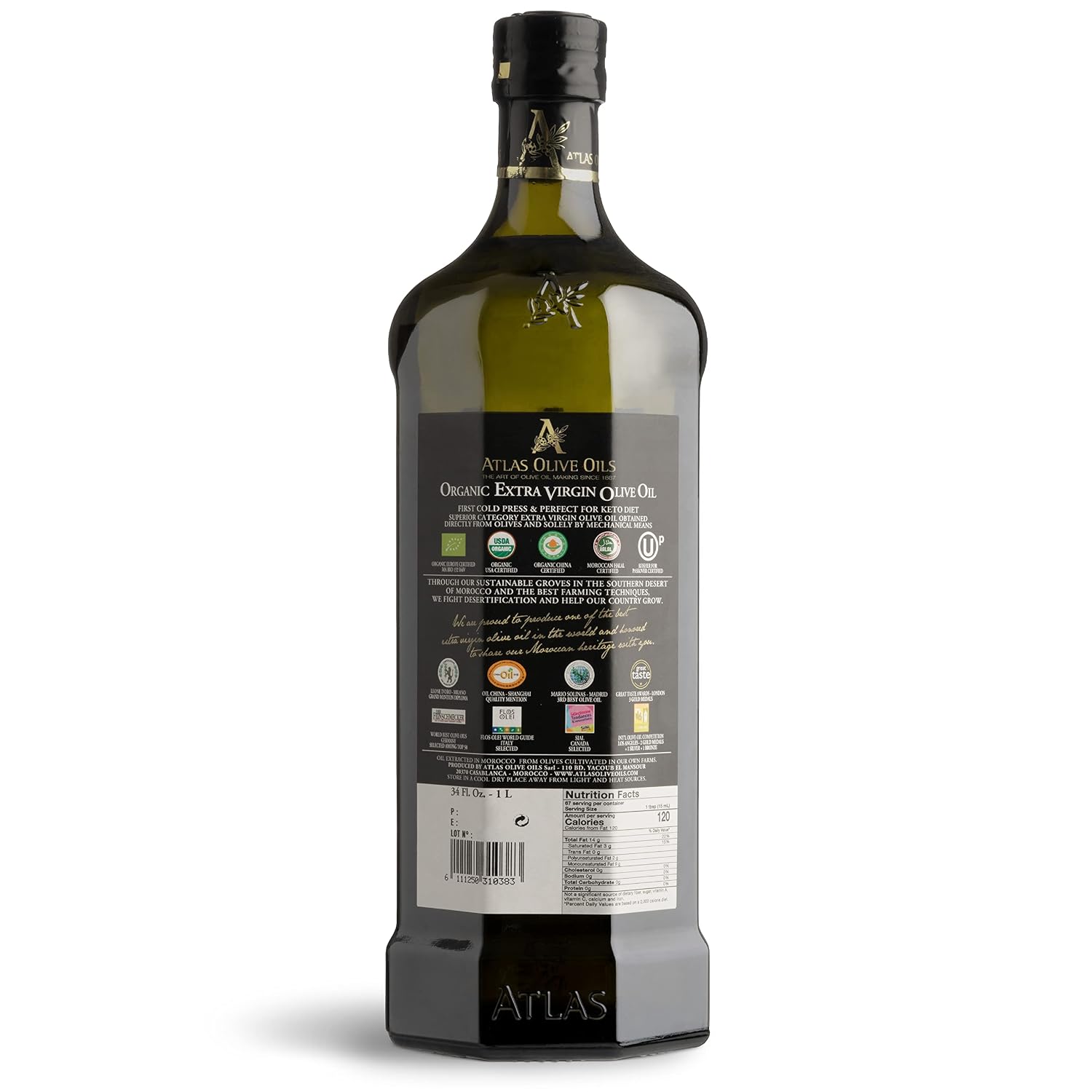
Imagine you’ve just paid $42 for a bottle of single-varietal olive oil — a Arbequina from a small Spanish estate, harvest date printed right on the neck label. You drizzle it over a bowl of white beans and wait for that grassy, peppery punch you were promised. It tastes… fine. Neutral. Like the $12 bottle at the grocery store. What went wrong?
Most likely, the oil was already past its peak before it hit your shelf. Extra-virgin olive oil (EVOO — meaning oil extracted from olives using only mechanical pressure, with no heat or chemicals, and meeting strict chemical purity thresholds) is a perishable agricultural product, not a pantry stable. It has a window of vibrancy that most retail labeling actively obscures. And the specific compounds responsible for its flavor, health properties, and cooking performance — polyphenols, which are naturally occurring antioxidant molecules found in the olive fruit — degrade faster than most buyers realize.
This guide is for the person who is already spending real money on premium olive oil and wants a systematic way to evaluate whether a bottle is worth it before they buy — and how to calibrate sourcing decisions across producers like Brightland, Kosterina, and California Olive Ranch’s reserve tiers.
Why Freshness Is the Variable Most Labels Bury
The International Olive Council (IOC), in its Trade Standard document COI/T.15/NC No 3/Rev. 14, sets the legal floor for extra-virgin classification around chemical markers: free acidity below 0.8%, a peroxide value below 20 meq O₂/kg, and several UV absorption thresholds. These are quality-at-time-of-milling measures. They tell you the oil was extra-virgin when it left the mill. They tell you almost nothing about what it is now.
The UC Davis Olive Center’s 2011 report on California-sold EVOO found that a significant portion of imported oils labeled extra-virgin failed IOC sensory standards at point of retail purchase — not because they were fraudulently produced, but because time, heat, and light had already degraded them. The oil met spec at milling; it didn’t meet spec in your shopping cart.
The three signals that actually predict what you’ll experience in the bottle are:
1. Harvest date (not bottling date, not “best by” date) Olives are harvested in the Northern Hemisphere from October through February. An oil harvested in November 2025 and bottled in January 2026 has a genuinely different freshness profile than one harvested in November 2023, bottled in spring 2024, and still sitting on a specialty retailer’s shelf in May 2026. Best-by dates are typically set 18–24 months from bottling, which means a bottle with a best-by of December 2026 could have been harvested over a year ago. Harvest date is the only timestamp that anchors you to the actual fruit.
2. Total polyphenol content (TPC), measured in mg/kg Polyphenols are the compounds — oleocanthal, oleuropein, and hydroxytyrosol being the most studied — that give high-quality EVOO its characteristic bitterness, pungency, and throat-catching finish. Research published in the Journal of Agricultural and Food Chemistry by Frankel et al. (2011) links these compounds to the oil’s antioxidant activity and links their degradation to oxidation over time. Fresh, early-harvest oil from robust varietals (Koroneiki, Coratina, Picual) can clock TPC values above 500 mg/kg. Most grocery-store oils, even those labeled premium, land below 200 mg/kg. The threshold the IOC uses to permit a health claim on polyphenol content is 250 mg/kg.
3. Free fatty acid (FFA) percentage FFA is the chemical degradation marker that correlates with poor fruit quality (overripe olives, delayed milling, heat damage). The legal ceiling for EVOO is 0.8% FFA. The best early-harvest oils from attentive producers typically come in below 0.3%. Serious Eats’ explainer on extra-virgin classification notes that FFA is the closest thing the industry has to an objective freshness proxy available at retail, and it’s almost never printed on the label — but producers who are proud of their numbers will publish them on request or on their product pages.
Reading a Spec Sheet: The Numbers That Matter
If you’re sourcing for a supper club, a cheese board program, or a curated pantry that you’re restocking quarterly, it’s worth treating olive oil procurement more like a buyer than a consumer. That means asking for — or finding — the Certificate of Analysis (COA) for a specific lot.
Here’s a quick reference for evaluating what you see:
| Metric | Legal EVOO Floor | Good | Exceptional |
|---|---|---|---|
| Free Fatty Acidity (FFA) | ≤ 0.8% | ≤ 0.4% | ≤ 0.2% |
| Peroxide Value | ≤ 20 meq O₂/kg | ≤ 10 | ≤ 7 |
| Total Polyphenols (TPC) | Not regulated | 200–350 mg/kg | 400–600+ mg/kg |
| Harvest-to-purchase lag | Not regulated | Under 12 months | Under 8 months |
The North American Olive Oil Association’s consumer guide confirms that these four metrics, read together, give a more complete picture of oil quality than any label descriptor — including words like “cold-pressed,” “first cold press,” or “artisan,” none of which have regulated definitions.
Varietal and Origin as Freshness Proxies
Polyphenol content is not just a function of freshness — it’s also a function of cultivar and harvest timing. This is where building sourcing intuition pays off.
High-polyphenol varietals to know:
- Koroneiki (Greece, especially Crete and the Peloponnese): The workhorse of Greek production; consistently high TPC, intensely grassy and pungent when fresh. Kosterina’s early-harvest Koroneiki is frequently cited in aggregated reviews for its labeled TPC values, which the brand publishes on its product pages.
- Coratina (Puglia, Italy): One of the highest-polyphenol cultivars commercially available; aggressive bitterness that mellows within 6–8 months of harvest. Saveur’s editorial feature on high-polyphenol olive oil specifically flags Coratina as a benchmark for buyers who want documented antioxidant content.
- Picual (Andalusia, Spain): The dominant cultivar in Spanish production; stable, high-phenol, with a distinctly tomato-leaf and green-almond character when fresh. Its stability makes it particularly good for cooking at moderate heat.
- Arbequina and Arbosana: Popular in California production (including some Brightland single-varietal expressions); lower TPC baseline than the above three, but earlier sensory degradation makes harvest date even more important for these varieties.
Early harvest vs. late harvest: Oil pressed from olives picked when they’re still green (veraison, the moment olives begin to turn from green to purple) yields higher polyphenols, more bitterness, more pungency — and lower yield per tree. Producers who harvest early are making a deliberate quality choice. Late-harvest oils are riper, softer, lower in polyphenols, and command lower prices at the producer level. Neither is wrong for every application, but they’re different products and shouldn’t be priced the same.
The Freshness Window and What It Means for Your Sourcing Calendar
Here’s the practical timeline for Northern Hemisphere oil:
- October–February: Harvest and milling window
- February–April: Newly bottled oil hits importer warehouses; this is the ideal purchase window for the current crop
- May–August: Still excellent if stored properly, but you’re 6–8 months out from harvest; buy from producers with reliable cold-chain distribution
- September onward: You are now approaching 12 months post-harvest for the prior crop; start looking for the new-crop release dates
For Southern Hemisphere oils (Chile, Australia, South Africa), the harvest runs April–July, which means their “new crop” arrives at Northern Hemisphere retailers in the fall — conveniently filling the gap when Northern Hemisphere oil is at its oldest. Producers like Cobram Estate (Australia) and Olio Nuovo offerings from Chilean estates increasingly carry harvest-date labeling; this is worth paying attention to as a sourcing strategy.
The Brightland line labels harvest dates on every bottle — a transparency practice that’s still not universal in the premium segment but is increasingly a baseline expectation among informed buyers. If a producer at the $35–$50 price point won’t tell you the harvest date, that’s a decision signal in itself.
Applying This to Actual Purchase Decisions
If you’re stocking a pantry for personal use, the decision rule is fairly simple: buy the most recently harvested oil you can find, from a varietal known for high TPC, from a producer who publishes their numbers. Pay $38–$48 for a 500ml bottle of documented high-polyphenol oil used within six months, and you’re getting meaningfully more flavor and nutritional value per use than a $28 bottle with an opaque “best by” date.
If you’re sourcing for a business context — a supper club finishing course, a charcuterie and cheese board program, a private chef rotation — the calculus shifts slightly:
- Volume and cost: High-polyphenol early-harvest oils don’t come in bulk tins at meaningful price breaks the way commodity EVOO does. Budget accordingly; this is a finishing oil, not a cooking fat.
- Consistency: Polyphenol content varies crop to crop, even from the same producer. For applications where flavor consistency matters (a signature dish, a plated amuse), build a relationship with a single-estate producer, request COAs, and consider buying a season’s allocation early.
- Storage: Every week in warm or light-exposed storage degrades TPC. Dark glass, tin, or dark PET containers stored below 65°F are not optional at this tier. The math on a $45 bottle degrades fast if it’s sitting on a sunny restaurant pass for a month.
The decision rule: If a bottle doesn’t show a harvest date, won’t provide FFA and TPC on request, and is priced above $30 for 500ml, skip it. The premium is real, but only when the transparency is there to back it up. Producers charging that price without those numbers are selling brand equity, not oil quality — and brand equity doesn’t finish a plate of burrata.
The oils worth tracking right now are the ones treating their 2025-crop release dates the way serious wine importers treat a vintage announcement. That’s the culture shift happening at the top of this category, and buyers who calibrate to it will be consistently better sourced than those who don’t.